 蜂疗网
蜂疗网【论文汇编】蜂针疗法的传承与创新:从抗肿瘤应用进展到纳米蜂针经皮治疗新策略
本文摘自:世界蜂疗大会论文集
许能贵 刘 涛 李世杰
广州中医药大学华南针灸研究中心Xu Nenggui, Liu Tao, Li Shijie
South China Acupuncture Research Center, Guangzhou University of Chinese Medicine

摘要
蜂针疗法作为传统医学体系中的重要组成部分,其在抗肿瘤领域的应用具有丰富的实践基础,体现出多靶点干预与整体调节的治疗特色。然而,传统模式依赖活蜂蜇刺,存在疼痛显著、剂量难以标准化、过敏风险较高等固有局限,严重限制了该疗法的现代化进程与临床推广应用。因此,如何在继承其治疗精髓的基础上,通过技术创新突破应用瓶颈,成为推动蜂疗科学化与国际化发展的关键议题。
针对上述问题,本研究提出“剂型创新驱动疗法升级”的核心策略,依托现代纳米材料技术与可溶性微针经皮递送系统,将蜂毒主要活性成分(如蜂毒肽)转化为具有精准可控特性的新型“针药合一”制剂。基于此,我们成功构建了搭载蜂毒肽的“纳米蜂针”经皮治疗平台。研究结果表明,该策略不仅有效解决了传统蜂疗的临床痛点,还在抗肿瘤机制层面展现出新的科学内涵。在皮肤黑色素瘤模型中,经微针递送的蜂毒肽可激活 GPX4 依赖的铁死亡通路,揭示了一种不同于传统细胞凋亡的新型抗肿瘤机制。此外,该治疗方式能够重塑肿瘤免疫抑制微环境,并下调关键炎症因子表达,从而抑制肿瘤远端转移,实现了从局部治疗向系统性调控的延伸。
综上,本研究通过跨学科融合,将传统蜂疗理论与现代剂型工程、免疫学及肿瘤生物学相结合,推动蜂针疗法从经验性实践向可量化、可控化、机制明确的精准医学阶段发展。所提出的“纳米蜂针”策略不仅为蜂疗的传承与创新提供了新范式,也为肿瘤局部免疫治疗领域的探索开辟了具有潜力的新方向。
Abstract
As an integral component of traditional medicine, bee venom acupuncture therapy possesses a rich body of practical evidence in the field of oncology, demonstrating therapeutic characteristics of multi-target intervention and holistic regulation. However, the conventional modality, which relies on live bee stings, presents inherent limitations such as significant pain, challenges in dose standardization, and a relatively high risk of allergic reactions. These constraints substantially hinder the modernization and clinical adoption of this therapy. Consequently, a pivotal challenge lies in inheriting its therapeutic essence while overcoming these application barriers through technological innovation, thereby advancing bee sting therapy towards scientific validation and international acceptance.
To address these issues, this study proposes a core strategy of "formulation innovation driving therapeutic advancement." Leveraging advanced nanomaterial technology and soluble microneedle-based transdermal delivery systems, we have transformed key active components of bee venom (e.g., melittin) into a novel, precisely controllable "integrated needle-drug" formulation. Based on this approach, we have successfully developed a "Bee Venom Nano-Needle" transdermal therapeutic platform loaded with melittin. Our findings demonstrate that this novel strategy not only effectively addresses the clinical drawbacks of traditional beesting therapy but also reveals new scientific insights into its anti-tumor mechanisms. In a cutaneous melanoma model, transdermally delivered melittin via microneedles activated a GPX4-dependent ferroptosis pathway, uncovering a novel anti-tumor mechanism distinct from traditional apoptosis. Furthermore, this treatment modality remodeled the immunosuppressive tumor microenvironment and downregulated the expression of key inflammatory factors, thereby inhibiting distant tumor metastasis and achieving a transition from local treatment to systemic regulation.
In summary, through interdisciplinary integration combining traditional bee sting therapy principles with modern formulation engineering, immunology, and tumor biology, this study advances bee sting therapy from an empirical practice towards a quantifiable, controllable, and mechanistically defined stage of precision medicine. The proposed "Bee Venom Nano-Needle"strategy not only provides a new paradigm for the inheritance and innovation of bee sting therapy but also opens a promising new direction for exploration in the field of local immunotherapy for tumors.

{ 今日论文 }
蜂针疗法的传承与创新:从抗肿瘤应用进展到纳米蜂针经皮治疗新策略
蜂针疗法的传承与创新:从抗肿瘤应用进展到纳米蜂针经皮治疗新策略
Inheritance and Innovation of Bee Venom Acupuncture — From Anti-Tumor Applications to a Novel Transdermal Bee Venom Nano-NeedleTherapeutic Strategy
许能贵 刘 涛 李世杰
广州中医药大学华南针灸研究中心Xu Nenggui, Liu Tao, Li Shijie
South China Acupuncture Research Center, Guangzhou University of Chinese Medicine
作者许能贵
摘要
蜂针疗法作为传统医学体系中的重要组成部分,其在抗肿瘤领域的应用具有丰富的实践基础,体现出多靶点干预与整体调节的治疗特色。然而,传统模式依赖活蜂蜇刺,存在疼痛显著、剂量难以标准化、过敏风险较高等固有局限,严重限制了该疗法的现代化进程与临床推广应用。因此,如何在继承其治疗精髓的基础上,通过技术创新突破应用瓶颈,成为推动蜂疗科学化与国际化发展的关键议题。
针对上述问题,本研究提出“剂型创新驱动疗法升级”的核心策略,依托现代纳米材料技术与可溶性微针经皮递送系统,将蜂毒主要活性成分(如蜂毒肽)转化为具有精准可控特性的新型“针药合一”制剂。基于此,我们成功构建了搭载蜂毒肽的“纳米蜂针”经皮治疗平台。研究结果表明,该策略不仅有效解决了传统蜂疗的临床痛点,还在抗肿瘤机制层面展现出新的科学内涵。在皮肤黑色素瘤模型中,经微针递送的蜂毒肽可激活 GPX4 依赖的铁死亡通路,揭示了一种不同于传统细胞凋亡的新型抗肿瘤机制。此外,该治疗方式能够重塑肿瘤免疫抑制微环境,并下调关键炎症因子表达,从而抑制肿瘤远端转移,实现了从局部治疗向系统性调控的延伸。
综上,本研究通过跨学科融合,将传统蜂疗理论与现代剂型工程、免疫学及肿瘤生物学相结合,推动蜂针疗法从经验性实践向可量化、可控化、机制明确的精准医学阶段发展。所提出的“纳米蜂针”策略不仅为蜂疗的传承与创新提供了新范式,也为肿瘤局部免疫治疗领域的探索开辟了具有潜力的新方向。
Abstract
As an integral component of traditional medicine, bee venom acupuncture therapy possesses a rich body of practical evidence in the field of oncology, demonstrating therapeutic characteristics of multi-target intervention and holistic regulation. However, the conventional modality, which relies on live bee stings, presents inherent limitations such as significant pain, challenges in dose standardization, and a relatively high risk of allergic reactions. These constraints substantially hinder the modernization and clinical adoption of this therapy. Consequently, a pivotal challenge lies in inheriting its therapeutic essence while overcoming these application barriers through technological innovation, thereby advancing bee sting therapy towards scientific validation and international acceptance.
To address these issues, this study proposes a core strategy of "formulation innovation driving therapeutic advancement." Leveraging advanced nanomaterial technology and soluble microneedle-based transdermal delivery systems, we have transformed key active components of bee venom (e.g., melittin) into a novel, precisely controllable "integrated needle-drug" formulation. Based on this approach, we have successfully developed a "Bee Venom Nano-Needle" transdermal therapeutic platform loaded with melittin. Our findings demonstrate that this novel strategy not only effectively addresses the clinical drawbacks of traditional beesting therapy but also reveals new scientific insights into its anti-tumor mechanisms. In a cutaneous melanoma model, transdermally delivered melittin via microneedles activated a GPX4-dependent ferroptosis pathway, uncovering a novel anti-tumor mechanism distinct from traditional apoptosis. Furthermore, this treatment modality remodeled the immunosuppressive tumor microenvironment and downregulated the expression of key inflammatory factors, thereby inhibiting distant tumor metastasis and achieving a transition from local treatment to systemic regulation.
In summary, through interdisciplinary integration combining traditional bee sting therapy principles with modern formulation engineering, immunology, and tumor biology, this study advances bee sting therapy from an empirical practice towards a quantifiable, controllable, and mechanistically defined stage of precision medicine. The proposed "Bee Venom Nano-Needle"strategy not only provides a new paradigm for the inheritance and innovation of bee sting therapy but also opens a promising new direction for exploration in the field of local immunotherapy for tumors.
特别提醒:
1.本网收集的资料仅供患者与家属了解疾病与基本治疗原则、方法,具体治疗应遵医嘱。本网站内容仅供参考,不足之处,敬请谅解。
2、[39蜂疗网]在线专稿,转载请注明“39蜂疗网”。媒体合作请联系:010-87667632
本文来源:未知 ( 编辑:吴杰)
标签:
已有 次访问,共0人喜欢 【我喜欢】



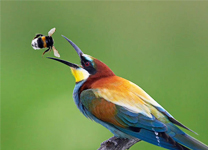 蜜蜂
蜜蜂
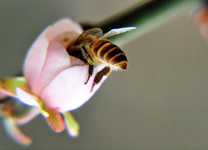 蜜蜂
蜜蜂
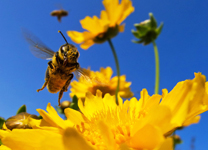 蜜蜂
蜜蜂
 湖南娄底蜂疗人 曾伟
 江苏如皋蜂疗人 刘红
 江苏丹阳蜂疗人 陆九妹
 宣城市祥云养蜂专业合作社
 宜黄远森蜂业合作社
 江西汪家养蜂场
 蜂胶
蜂胶
 蜂蜜
蜂蜜
 蜂花粉
蜂花粉
 中国蜂疗抗癌第1人





 京公网安备 11010502049479号